the air pockets are too little and stay also wet-- best for seed germination. After some research study for a Japanese dry garden I learnt that what they utilize are 1/4 inch irregular rock. , if you plant to include some markings in the sand they maintain the shape for a long time. .
Products
What is the best landscape fabric?
One of the major uses of landscape fabric is to help control weeds in planting beds, under decks and beneath patios and paths. Fabrics work to block weed growth by shutting out light while allowing air and moisture in. For many years, plastic sheeting was used for the job of weed control.
So, it's no difference than standard woven landscape towel in its efficiency. It would certainly be a lot more air & water permeable than solid plastic sheet.
Wood chips, sand or small-sized gravel works well. Ensure it is laying level and covering all the dirt.
Does landscaping fabric let water through?
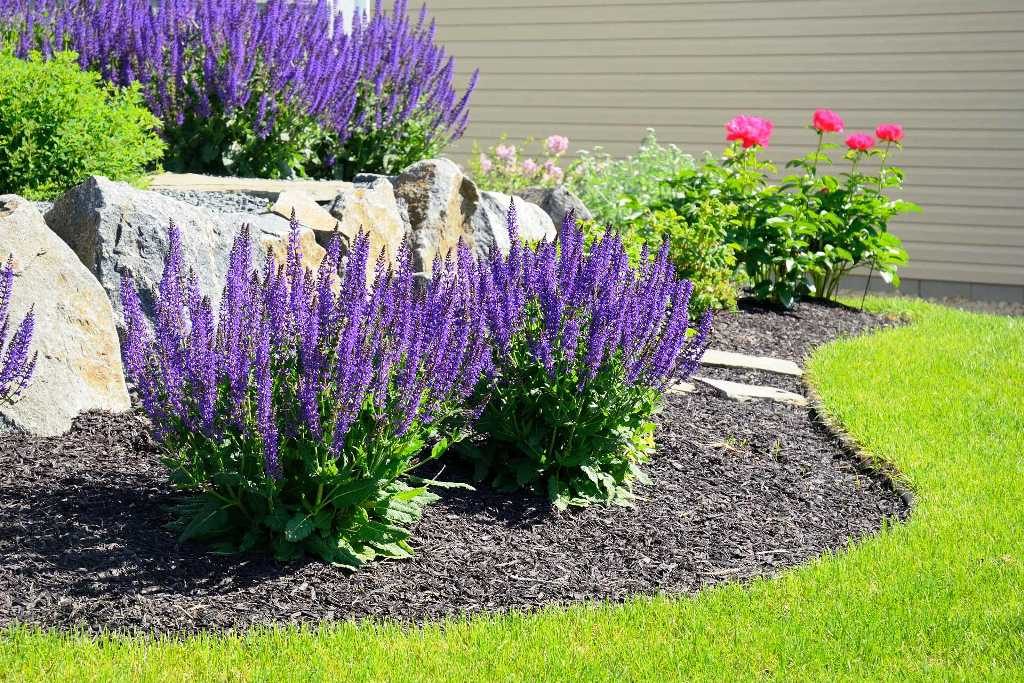
Basic Benefits. Most gardeners agree that the best place for landscape fabric is around shrubs and trees where it can be installed and topped with quality mulch to hopefully last for years. Because it's intended to be left in place, it's not recommended for vegetable gardens or annual flower beds.
It drains somewhat slowly with big amounts of water but doesn't collect pools. It's UV maintained as well as also advertised for usage without mulch.
- Using this product makes sure the allowance of water and wetness as this barrier has a woven version.
- Rake the area of the garden and also eliminate all excess weeds.
- Organic materials suitable for short-term mulching include lawn cuttings, ground bark, shredded fallen leaves as well as garden compost.
- When drawing up landscape textile around, be specifically cautious existing plants.
The http://kylermkbj797.almoheet-travel.com/yard material functions wonderful in the cool and warmth, is easy to cut, and also durable. Landscape fabric can be a little bit of a financial investment, so you certainly need to do your research initially. In this short article, we'll advise our favorite landscape fabrics for every single usage. We'll additionally review the several ways to make use of landscape material as well as just how to mount it. Expect the Landscape Textile costs to vary between various companies-- every firm have different procedure expenditures and over-head.
The fabric is woven and made with UV protection so it can be in the sunlight without damage. Browse through every supply home that market your certain brand name of Landscape Material and try to bargain a much better rate with each vendor-- I minimize typical 20%. Try to budget plan as well as extra 7-15% more on top of what our calculator gives out for Landscape Material prices. Try a bark compost or wood chips, which decay slowly. Spread them in a layer a few inches thick, making certain the compost does not touch the trunk or stems.
Can you use cardboard instead of landscape fabric?
Landscape fabric inhibits water from getting to the roots of your plants. With fabric, plants are forced to grow roots along the surface directly under the fabric to get water. Plants will struggle and many will eventually die, 2.
Exploring the material annually to restore veggie seeds will eventually make it ineffective. as well as plant roots can experience lack of air as well as water. While many may lean to one side more than the various other, it's fair to say that based on your customer's taste, spending plan and also preferences, landscape textiles are quite hit or miss. Your clients will either love them or despise them, so put in the time to analyze the needs and wants of your client before claiming "yea or nay" to installing these textiles.
Landscape Material-- Weed Obstacle Fabric
Hence in addition to saving the inner water existing in the dirt, extra water can be sent out in also. It obstructs UV rays with its upper layer which is constructed from a carbon black product.
Will weeds grow through cardboard?
Removed entirely, the grass won't grow up through your new garden, although you do need to take pains to remove it all since any remaining grassroots will quickly create new plants. Aside from the sheer physical effort it takes, this method has a drawback of removing some of the soil from the planned garden area.